What Is a Smart Home Hub? An Easy Explanation
AUTHOR: Joshua Martin
UPDATED: January 5, 2026
With constantly evolving technology and the world seemingly speeding up daily, we are always trying to find new ways to integrate and keep up with the latest innovations.
Smart home automation and security are a huge part of this mix.
New innovations in home automation have been coming out for some time now. However, in recent years, advertising has increased, and as consumers are becoming more aware, it’s turning into more of a “must have” piece of technology.
We all want the best and you will probably have dozens of questions if you are just getting started with home automation.
For me, looking back, I remember one of the first questions I had. It was simple in nature. What is a smart home hub? After going through the process and doing some research, here is what I’ve learned.
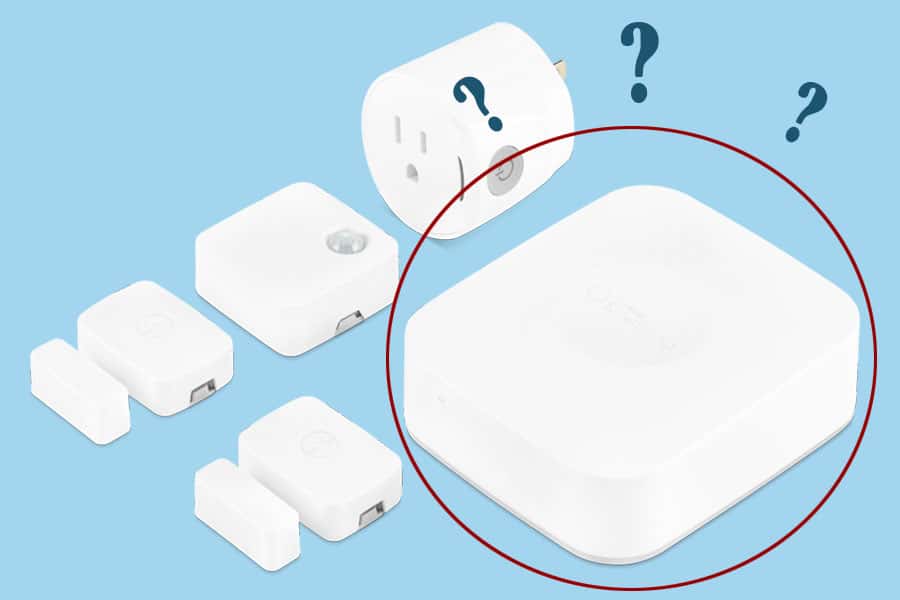
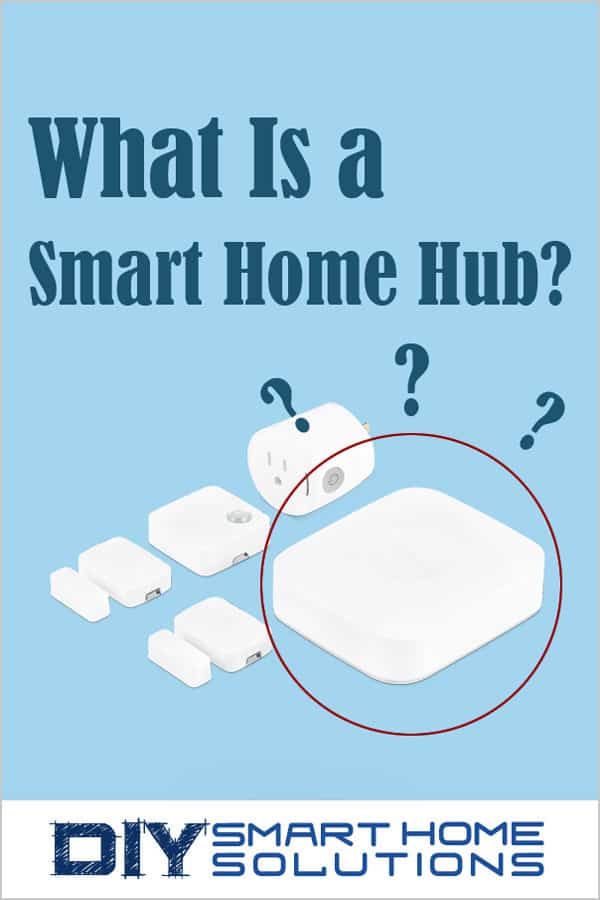
What is a smart home hub? A smart home hub is the command center for your smart home automation system. It acts as a relay center. The smart home hub will relay information to and from all connected smart home devices.
If you are anything like me, this probably only cracks the surface of the information you are genuinely wanting to know. I was the same way, and the questions seemed to come to me in abundance in the beginning.
Let’s break down smart home hubs even further and see if we can provide more answers to some of those frequently asked questions.
Smart Home Deals @ AmazonThe Smart Home Hub Explained Further
As we’ve already discussed, a smart home hub is the virtual command center for all the devices connected to the system.
Often, your smart home hub will be referred to as the “home bridge”. Its primary job is to translate a wide variety of protocol communications between various devices.
Some devices use different forms of connectivity or software to communicate with each other and operate correctly. Hence, the need for a smart home hub.
This is also a prime opportunity for your smart home hub to shine and show its value.
Picture Your Smart Home Hub as Your Device Translator

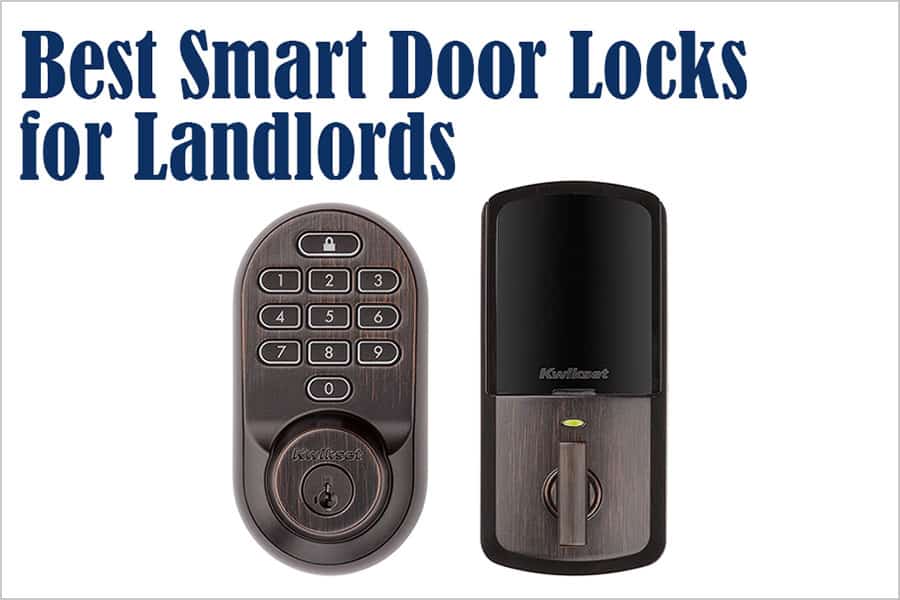
Let’s take a smart door lock as an example. Let’s suppose your smart door lock uses a technology known as Zigbee. This means your smart lock is not using Wi-Fi or Bluetooth for communication.
This is where a smart home hub comes into play.
Again, picture your smart home hub as a translator. Your door lock is speaking Spanish, and your smartphone is speaking English. The door lock is attempting to follow the orders you direct it to perform.
The smart home hub is going to take over at this point and help both devices understand what function to perform.
Your Smart Home Is Working Harder to Keep the Peace Than You May Think
If you are considering a smart home hub, you most likely didn’t travel to Best Buy or a local retailer to purchase one door lock, then proceed to consider yourself a part of the home automation community.
Most likely, you have several different smart home devices that you would like together in a single system.
A smart home hub integrates all devices into one application that can be accessed via desktop or mobile device.
Let’s Assume You’ve Decided to Really Home Automate - Go Big or Go Home
Picturing a smart home hub translating a message from a smart phone to a door lock sounds boring and not very sophisticated. I get it. Seems boring to me, too.
But chances are, you didn’t just buy one front door lock. You may have purchased many more devices including, but not limited to the following options.
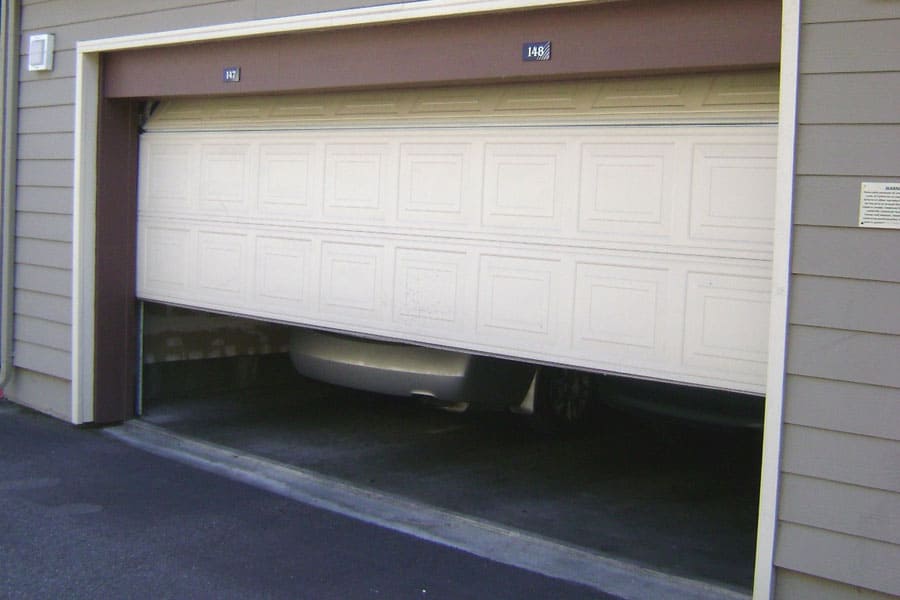
Garage Door Openers
Fire Systems (Fire Alarms and Carbon Monoxide Detectors)
Lighting
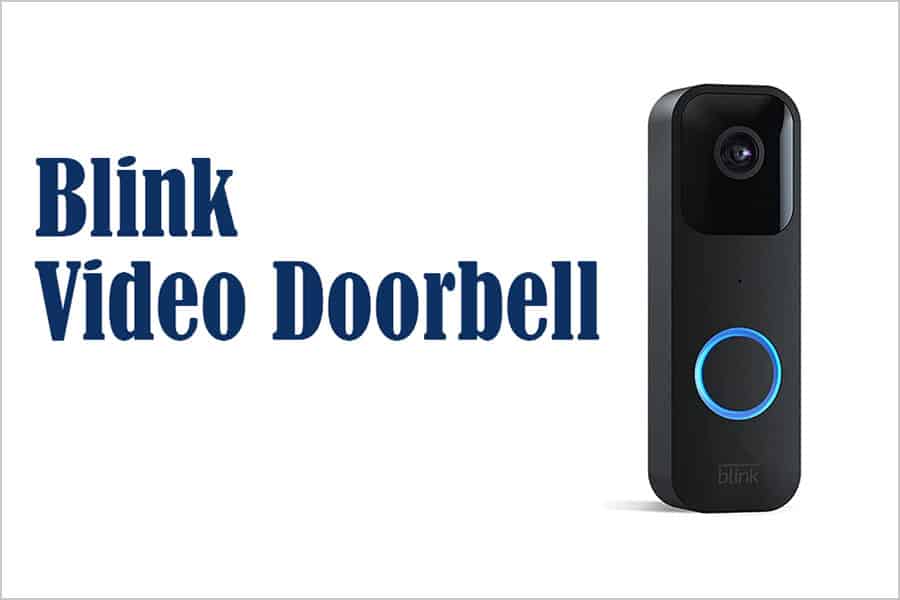
Door Bell Cameras
Outdoor and Indoor Cameras
Motion Sensors
Smart Thermostats
This barely cracks the surface of the devices that are available, but I think you get the point. There is a lot going on inside of one network, and different devices can use different communication methods.
What your garage door needs to open and close is an entirely different set of codes, communication, and software compared to what’s required to turn on a lamp plugged into a smart plug.
Without a hub in these situations, you're sending a lot of scrambled signals with no central communication point.
You can’t expect flawless transitions and events to trigger in these situations without a hub.
Taking It One Step Deeper - Advanced Commands with a Smart Home Hub

What we have discussed so far is only how the necessary software and hardware works, but we haven’t discussed another hidden benefit of the smart home hub.
Setting rules and sequences.
This is the entire point of home automation right here, folks. Yes, we are extremely lazy as a society.
Once, you see some options with these commands, I’d be willing to bet money that you'd like to jump aboard the home automation train as well.
Let’s assume you have all of your devices appropriately connected. They are purchased, up and running, and only a few clicks away from being ready for use.
Now, let’s also assume that you want your system to do what it was built for -- automated processes.
Here’s an example of a sequence you could program, if you desired:
Step 1- Drive home from work
Step 2- As you approach your garage door, it opens (have to love this feature)
Step 3- Your inner garage door that enters the home unlocks
Step 4- Your entry way hall leading to your home illuminates as the lights come on
Step 5- Your thermostat resets itself to 70 degrees
Step 6- Your speaker of choice turns on and begins playing your favorite song at a preset volume
To achieve this, you need a smart home hub. Without it, this isn’t going to be possible. You need a central command center to relay the messages to get the sequence working and understood by the whole system.
Couldn’t you just open your garage without the hub? Sure, but not in the same impressive manner, where all the events that follow trigger automatically.
How the Smart Home Hub Really Gets Down to Business
Here’s how it really works for all the technical guru’s out there reading this.
Your hub will take in all the data coming from the devices connected to the system. It will converge this information. Read it and analyze it. Then translate it into the appropriate language for each device to understand.
It will then push the data back out to the devices so that they can perform any activity or task they need to.
Your smart home hub has a built-in switch that keeps necessary information and can either store it or use it to perform a task now, or in the future.
The smartphone or device you are sending commands from is nothing more than just a “TV remote” for your home.
You can use your smartphone or iPad (or whatever device is in and trendy) to monitor, change settings, change commands, or to allow you to use your home automation manually.
Some systems come with their own hubs. The problem with this option is you can’t use these hubs with other non-dedicated or branded hardware in most instances.
For this reason, it’s probably better to DIY your system.
What Do You Mean DIY My System?
Smart home systems are going to continue to evolve and change. Technology will get better, and new devices will be released.
And don’t pretend that we aren’t a society that rushes out to have the latest and greatest, shiny, new technology that’s available either. Because we are.
Limiting yourself by using a company such as Vivint or even ADT to run your hub is a mistake in most circumstances.
Will they protect your home and monitor it? Sure. Will they also charge a fee for doing so and limit your ability to add devices in the future? You bet. It’s called business, and they do this by design.
Putting together your own home automation system will allow you to expand, change devices, and learn the system more intimately.
Now that’s a lot more satisfying and convenient than just having someone hit the 911 button if an intruder is breaking into your home. No offense to Vivint and ADT, but that’s kind of the gist of what you’re paying for in those situations.
Putting It All Together - You Need A Smart Hub and Consider Doing It Yourself
To wrap things up, my primary goal in this article was to merely point out that a smart home hub serves a vital role in your home automation and home security systems.
Also, putting a system together DIY style is the most advantageous approach you can take with these smart automation systems.
Recommended Products
About the Author